


PEDON SPA – food factory
all projects
PEDON SPA – food factory
Colceresa (VI), Italy
3700 m² 40000 m³
design: 1993 – 1994
built: 1995 – 1996
The project aims to centralize and optimize the production activities of the food group.
The company, specialized in the production and sale of legumes, cereals, and seeds, requires large, climate-controlled warehouses to ensure optimal storage of raw materials.
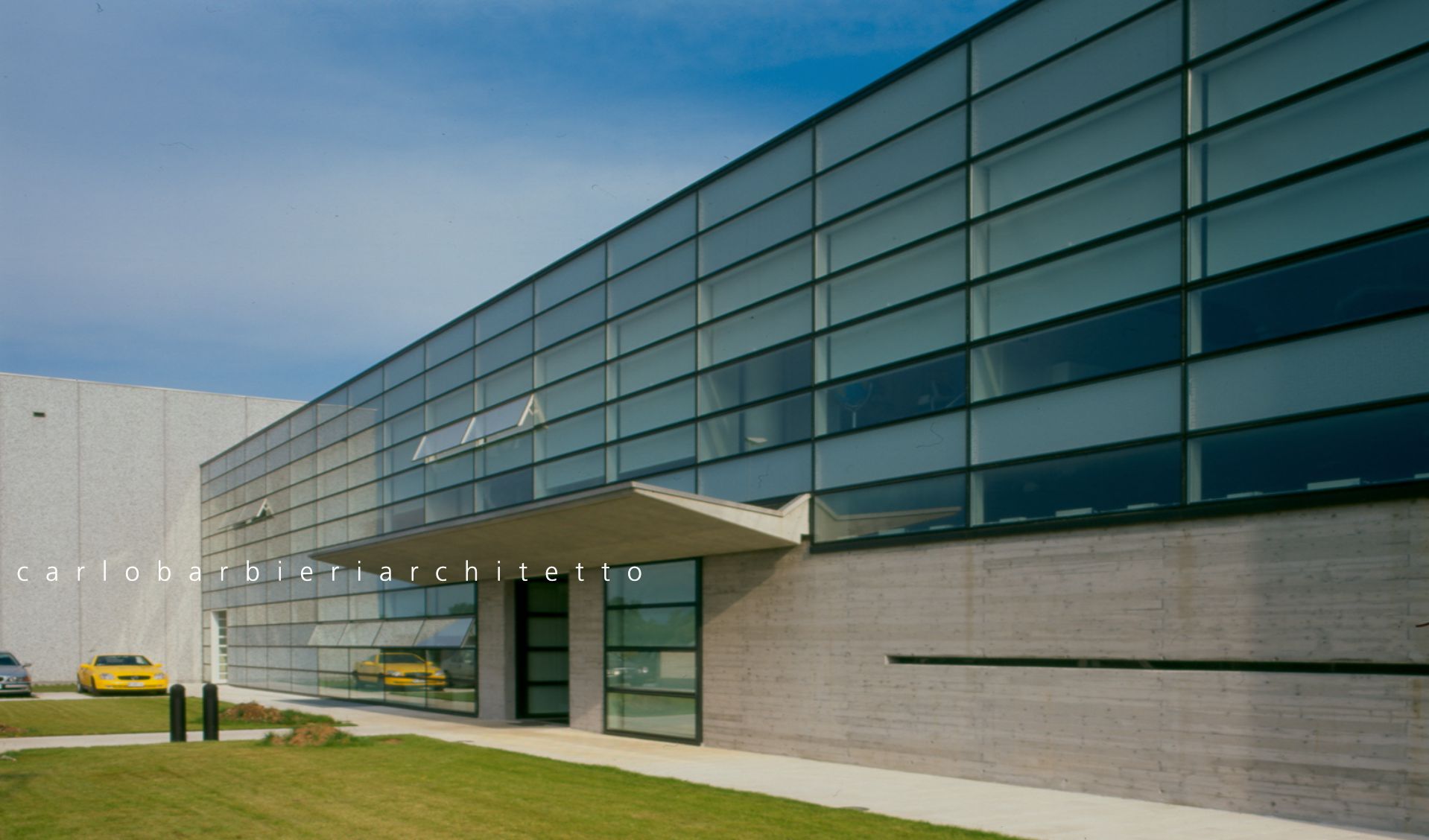
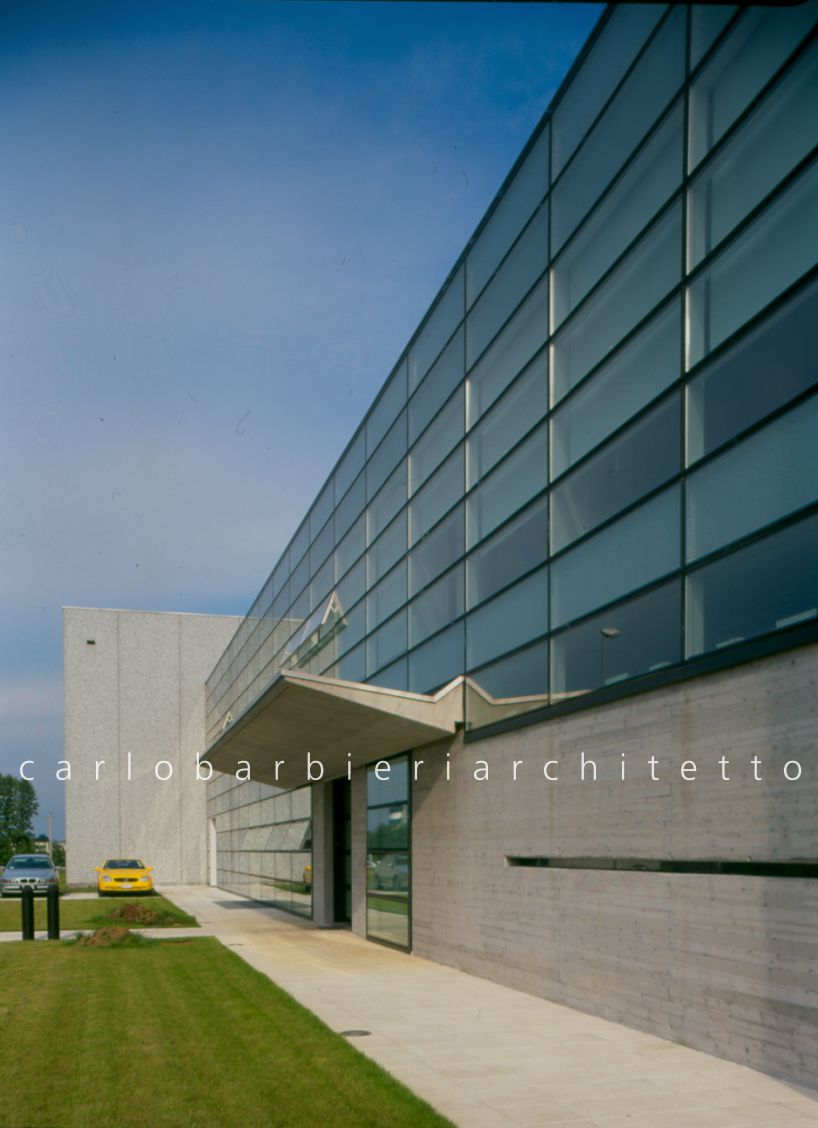
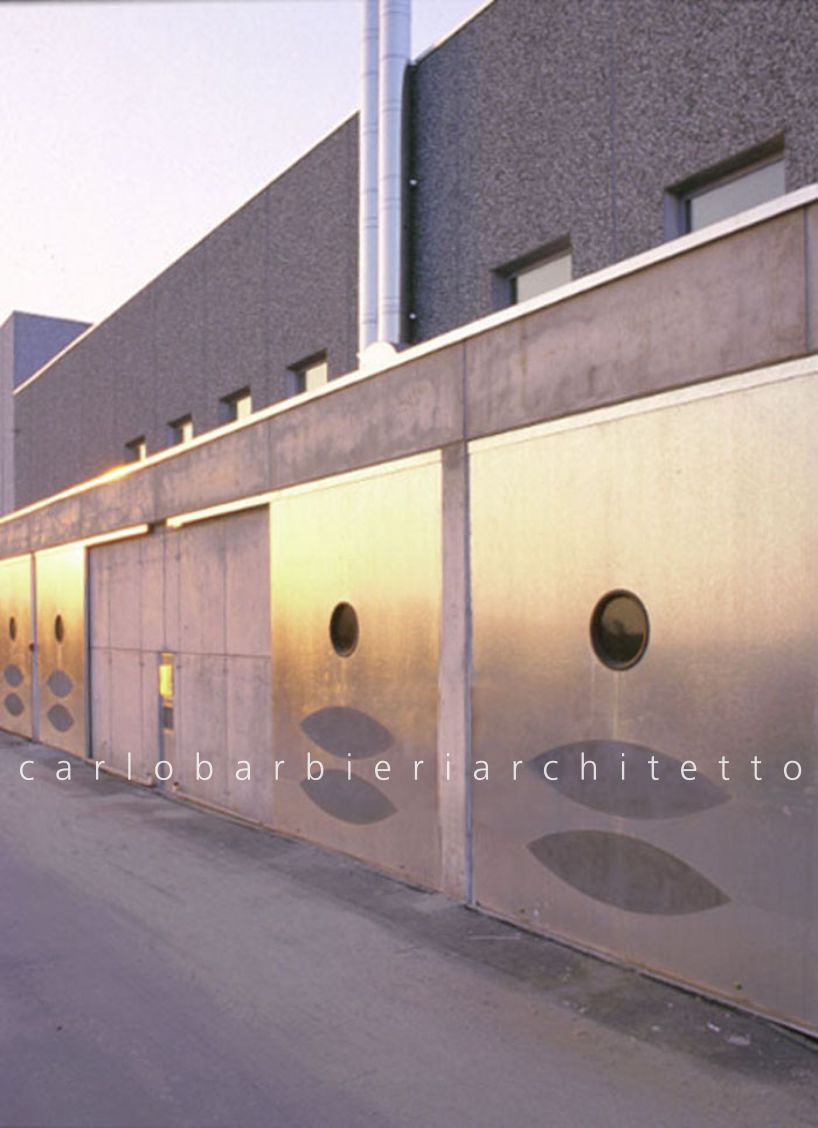
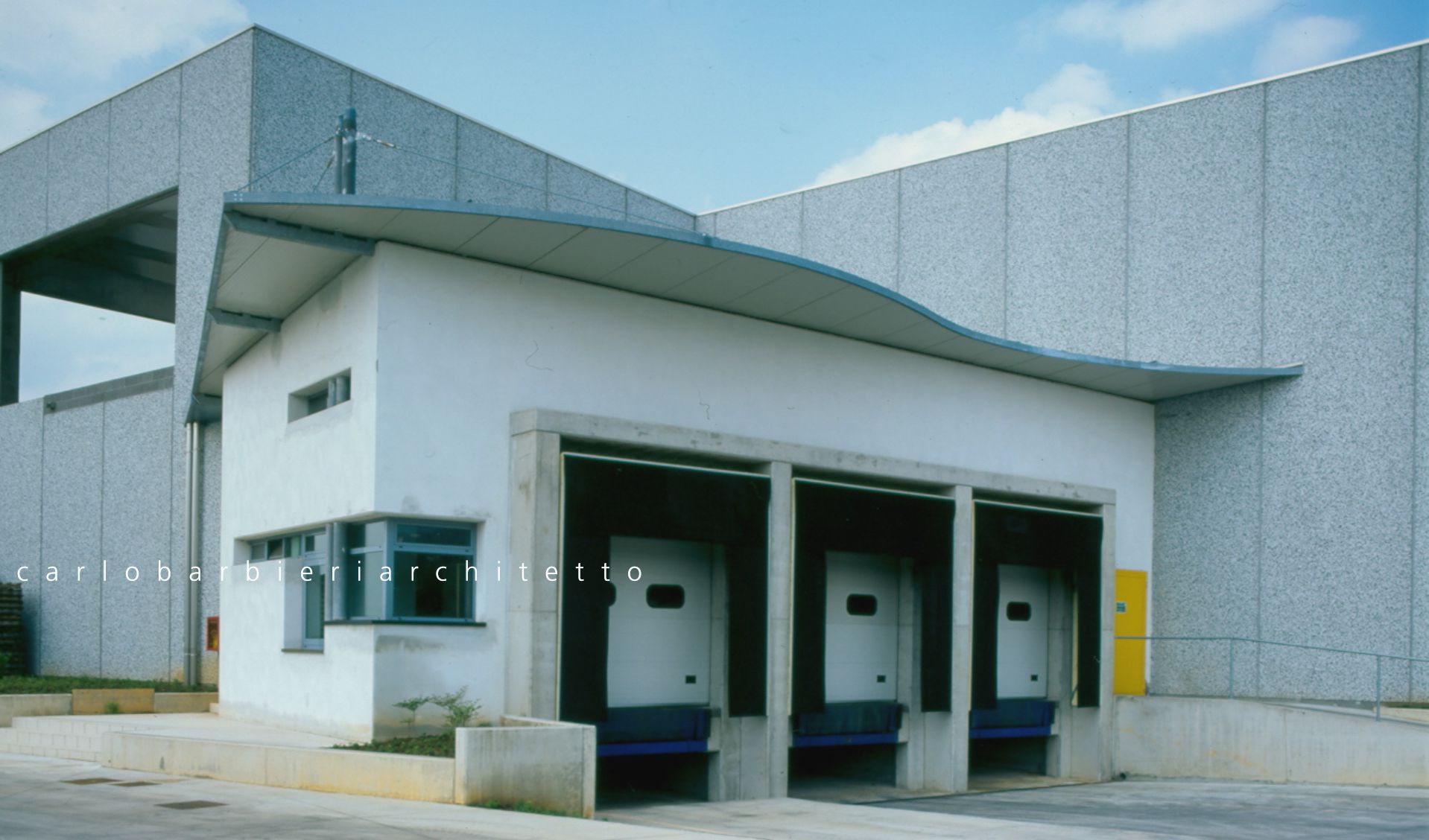
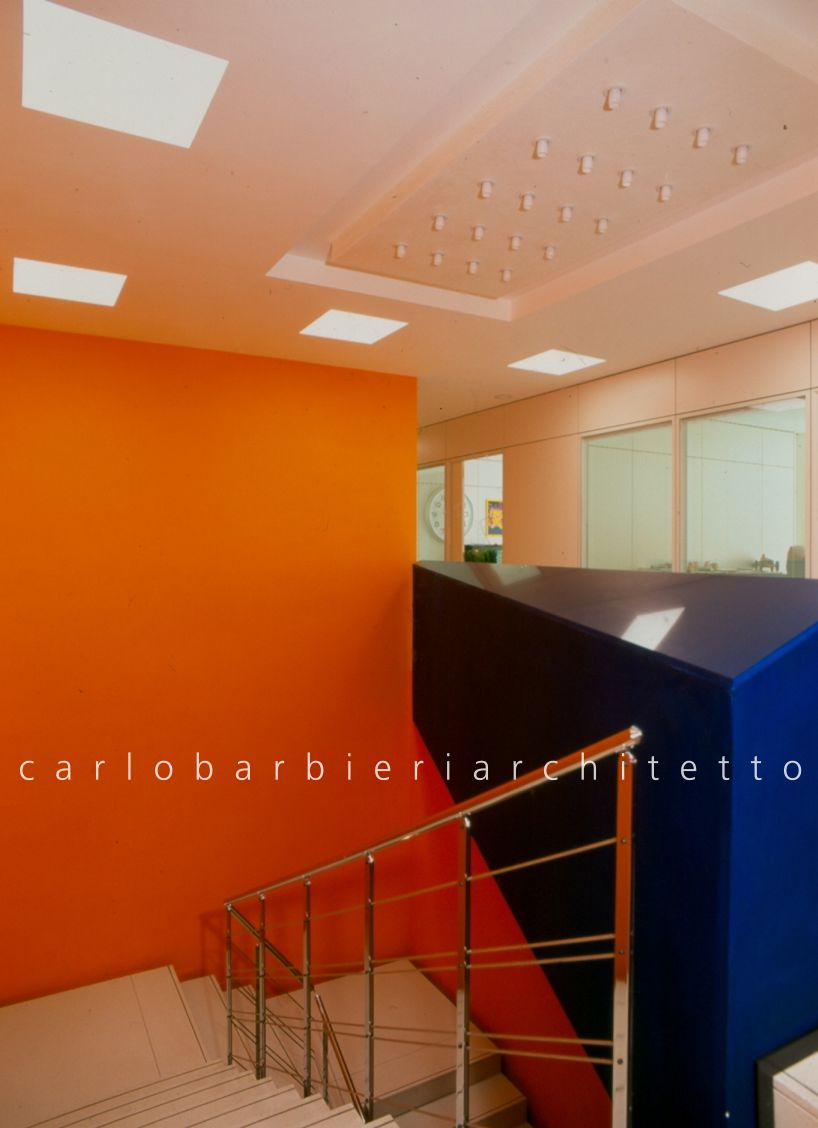
The structure is organized into three distinct volumes, each dedicated to a specific function: climate-controlled silos, the production area with the finished goods warehouse, and the offices with service areas strategically located at the center.
A subterranean tunnel beneath the central building houses a conveyor belt that efficiently transfers raw materials from storage to production.
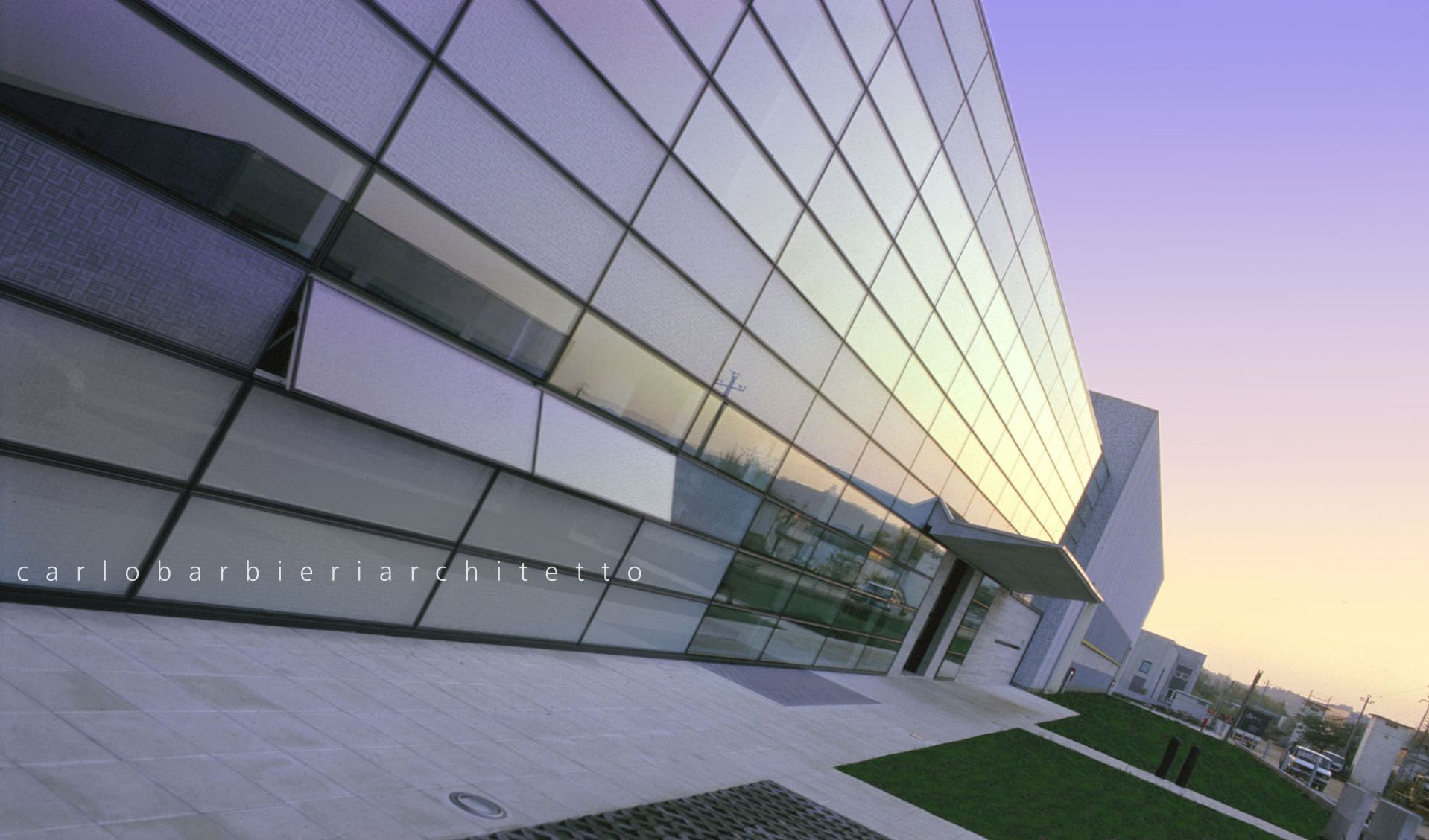
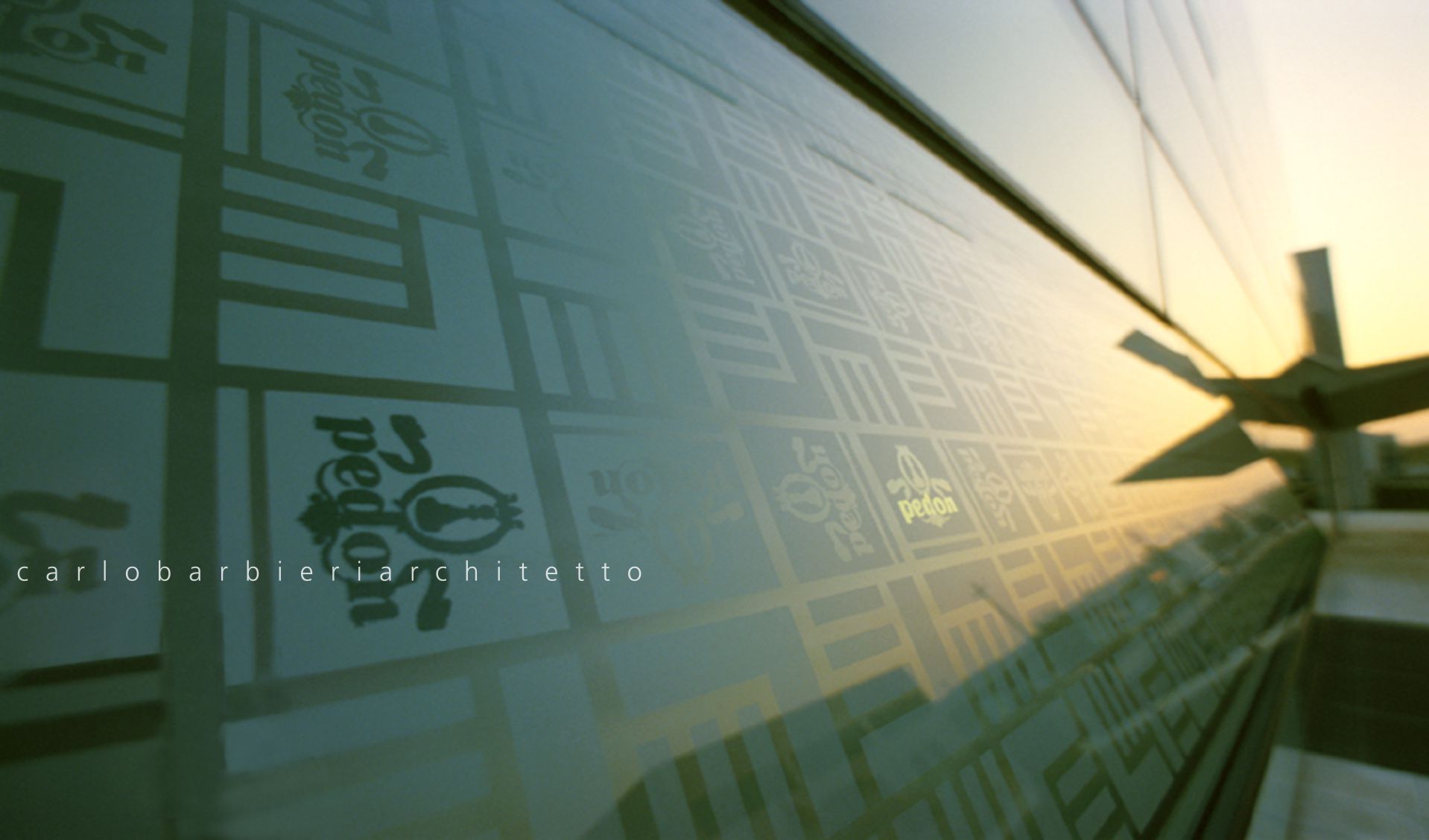
The structural façade, state-of-the-art at the time, features low-emissivity glass, some of which is screen-printed on a clear float base, allowing a glimpse of the activities inside.
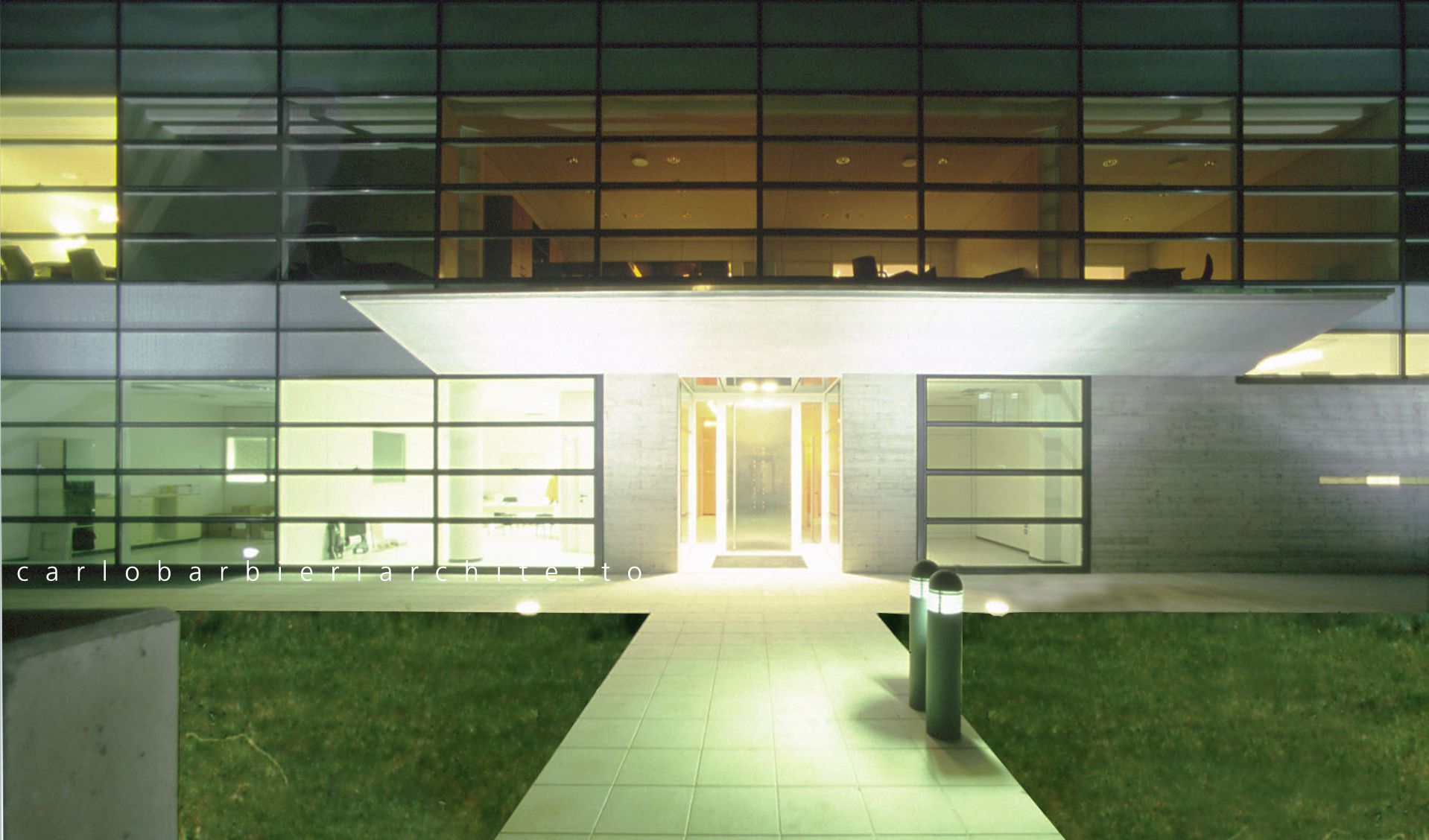
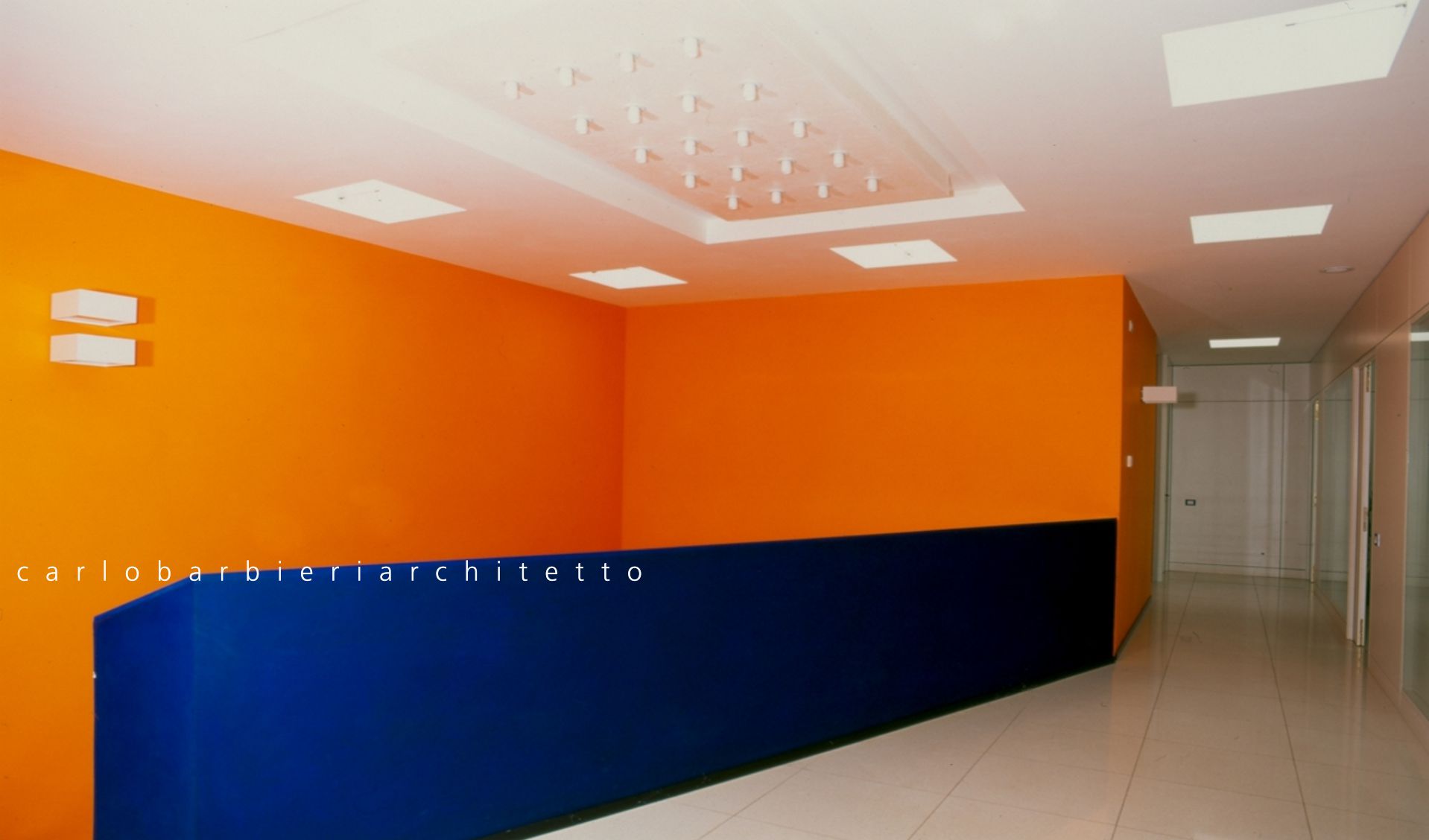
Special attention has been given to both natural and artificial lighting, which plays a crucial role in the food industry. The lighting is designed to avoid altering the colors of the food and to enhance their chromatic characteristics, ensuring an environment that preserves the visual quality and authentic appearance of the products.
all projects
PEDON SPA – food factory
Colceresa (VI), Italy
3700 m² 40000 m³
design: 1993 – 1994
built: 1995 – 1996
The project aims to centralize and optimize the production activities of the food group.
The company, specialized in the production and sale of legumes, cereals, and seeds, requires large, climate-controlled warehouses to ensure optimal storage of raw materials.
The structure is organized into three distinct volumes, each dedicated to a specific function: climate-controlled silos, the production area with the finished goods warehouse, and the offices with service areas strategically located at the center.
A subterranean tunnel beneath the central building houses a conveyor belt that efficiently transfers raw materials from storage to production.
The structural façade, state-of-the-art at the time, features low-emissivity glass, some of which is screen-printed on a clear float base, allowing a glimpse of the activities inside.
Special attention has been given to both natural and artificial lighting, which plays a crucial role in the food industry. The lighting is designed to avoid altering the colors of the food and to enhance their chromatic characteristics, ensuring an environment that preserves the visual quality and authentic appearance of the products.